

Robotic Joint Replacement
Ethical, Compassionate and comprehensive Orthopaedic care
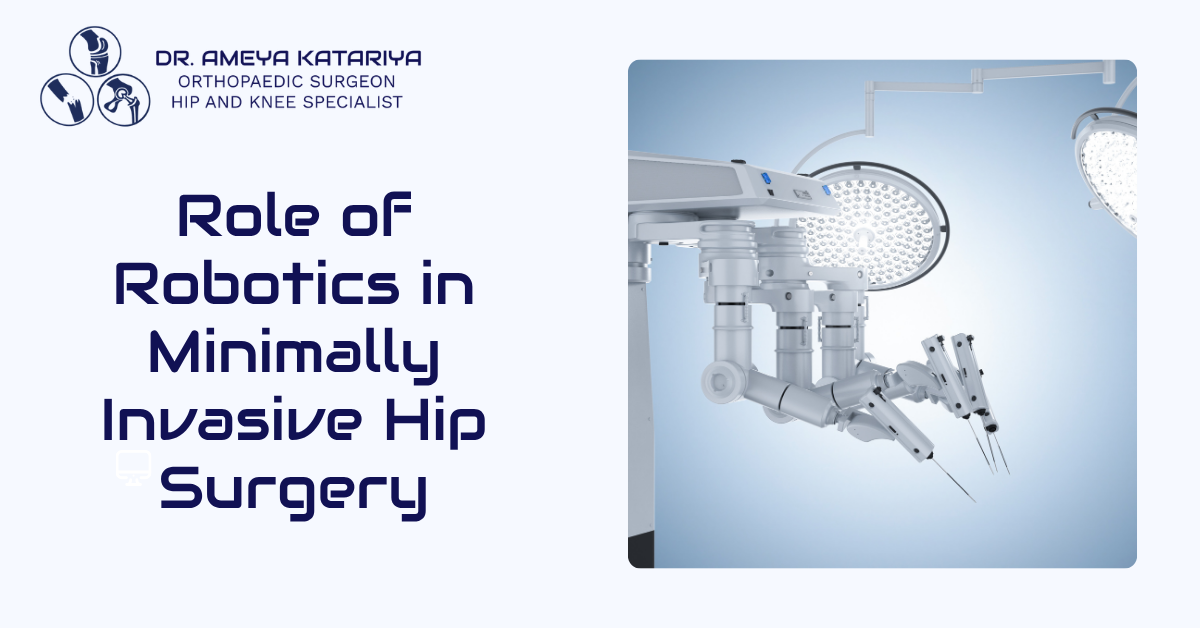
Hip surgery has evolved significantly over the past decade, and minimally invasive techniques are at the forefront of this transformation. In 2026, robotics is playing a crucial role in enhancing the safety, precision, and recovery of hip replacement procedures. This blog will explore how robotic-assisted minimally invasive hip surgery works, its advantages, and why it may be the right choice for patients seeking faster recovery and optimal outcomes.
Robotic-assisted hip surgery combines advanced robotic technology with minimally invasive surgical techniques. In this procedure, robots help surgeons with accurate placement of hip implants through smaller incisions. The robot provides detailed preoperative planning using 3D imaging, guiding the surgeon in real-time during the surgery. This approach preserves surrounding tissues, reduces blood loss, and improves the overall precision of the operation.
Robotic systems allow surgeons to place implants with unmatched accuracy. Proper implant alignment is crucial for long-term joint stability, reduced wear, and optimal mobility.
Minimally invasive techniques combined with robotics mean smaller incisions, less muscle and tissue damage, and reduced postoperative pain. This contributes to faster recovery and shorter hospital stays.
Patients undergoing robotic-assisted hip surgery often experience quicker recovery due to reduced tissue trauma. Early mobilization is possible, allowing patients to resume normal activities sooner than with traditional surgery.
Robotic guidance reduces the likelihood of implant misplacement and other surgical errors, lowering the risk of dislocation, infection, and revision surgery.
Every patient’s anatomy is unique. Robotic-assisted surgery enables customized surgical planning based on the patient’s 3D hip anatomy, ensuring optimal fit and function of the implant.
Advanced imaging technologies create a precise 3D model of the hip, enabling surgeons to simulate the surgery beforehand and optimize implant placement.
During surgery, the robotic system provides continuous feedback to the surgeon, ensuring precise bone cuts and accurate positioning of the prosthesis.
Artificial intelligence helps improve decision-making by analyzing surgical data in real time, predicting potential challenges, and suggesting the most efficient surgical approach.
Some robotic systems integrate with wearable technology, allowing patients and surgeons to monitor recovery progress, track mobility, and guide rehabilitation exercises for faster recovery.
Robotic-assisted minimally invasive hip surgery is ideal for patients seeking a modern, precise, and less invasive surgical option. It is particularly beneficial for those with osteoarthritis, hip fractures, or joint degeneration who want faster recovery, reduced pain, and long-lasting results.
The role of robotics in minimally invasive hip surgery continues to transform orthopaedic care. With benefits like enhanced precision, reduced trauma, faster recovery, and personalized surgical planning, robotic-assisted hip replacement is a safe and effective choice for patients seeking optimal outcomes. As technology advances, these procedures will continue to improve, offering patients the best possible results and quality of life.
Robotic Joint Replacement
Ethical, Compassionate and comprehensive Orthopaedic care