

Robotic Joint Replacement
Ethical, Compassionate and comprehensive Orthopaedic care
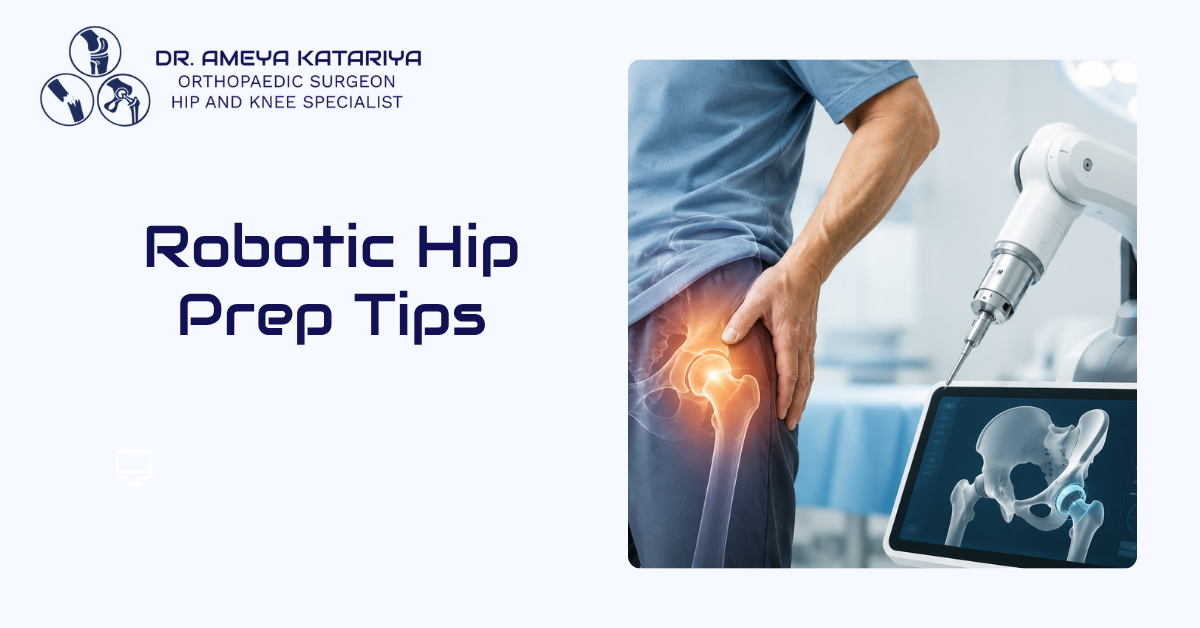
Hip replacement surgery is a life-changing procedure for individuals struggling with chronic hip pain, arthritis, or injuries that limit mobility. With advancements in technology, robotic-assisted hip replacement has become a preferred choice for many patients due to its precision, safety, and faster recovery. However, like any major surgery, preparation is key to ensuring optimal outcomes and a smooth recovery process. Dr. Ameya Katariya, a fellowship-trained hip and knee orthopaedic surgeon based in Pune, Maharashtra, shares essential tips on how to prepare for robotic hip replacement surgery.
Robotic hip replacement surgery combines the skill of a surgeon with the precision of advanced robotic technology. The robot assists the surgeon in planning and performing the surgery, providing detailed 3D imaging and real-time guidance. Unlike traditional hip replacement, robotic assistance allows for:
Ensuring the artificial hip joint aligns perfectly with your natural anatomy.
Smaller incisions and precise bone cuts reduce trauma to surrounding muscles and ligaments.
Less trauma and optimal alignment contribute to shorter hospital stays and quicker return to normal activities.
Understanding how the procedure works can help patients feel more confident and mentally prepared for the surgery.
A thorough health assessment is the first step in preparing for robotic hip replacement. This ensures that your body is in the best condition to undergo surgery and recover effectively. Key steps include:
Your surgeon will review your medical history, including past surgeries, chronic conditions, and current medications. Common evaluations include blood tests, ECG, chest X-rays, and imaging of the hip joint. This helps identify any risk factors that could affect the surgery or recovery.
Certain medications, such as blood thinners, can interfere with surgery. Your surgeon will advise which medications to continue, adjust, or temporarily stop prior to surgery.
Advanced imaging, including CT or MRI scans, helps create a detailed 3D model of your hip. This allows the robotic system to plan the procedure tailored to your anatomy, improving the accuracy and safety of implant placement.
Physical fitness plays a significant role in the success of robotic hip replacement surgery. The stronger your muscles and the more flexible your joints, the smoother your recovery is likely to be.
Engage in exercises that strengthen the muscles around the hip, thighs, and core. This can include low-impact activities like swimming, cycling, or specific physiotherapy exercises recommended by your surgeon. Strong muscles support the new hip joint and facilitate faster rehabilitation.
Maintaining flexibility in your hip and leg joints is important. Gentle stretching exercises help improve the range of motion and can make post-surgery rehabilitation easier.
Excess weight puts additional stress on your hip joints. Achieving a healthy weight prior to surgery can reduce complications and improve long-term outcomes. Your surgeon or dietitian may provide a personalized plan to help you reach an optimal weight.
Preparing your home before surgery ensures a safe and comfortable recovery environment.
Items like walkers, canes, or crutches may be required for the initial weeks post-surgery. Familiarize yourself with their use beforehand to reduce the risk of falls.
Make your home recovery-friendly by arranging furniture to create clear walking paths, installing handrails in the bathroom, and placing frequently used items within easy reach.
Cook and freeze meals ahead of time to minimize the need for cooking while recovering. Nutritious, protein-rich foods support healing and tissue repair.
Arrange for a family member, friend, or caregiver to help with daily activities such as bathing, dressing, and grocery shopping during the initial recovery period.
Robotic hip replacement surgery can be daunting, especially if it is your first major surgery. Mental preparedness plays a crucial role in ensuring a positive surgical experience and a smooth recovery.
Discuss your expected outcomes with Dr. Ameya Katariya. Understanding the realistic benefits, recovery timeline, and possible risks will help you approach surgery with confidence.
Relaxation techniques such as deep breathing exercises, meditation, or light yoga can help reduce pre-surgery anxiety. Mental calmness supports better healing and overall well-being.
Knowing what is expected during post-surgery rehabilitation encourages active participation. Ask your surgeon or physiotherapist about exercises, mobility milestones, and activity restrictions.
Proper preparation on the day before surgery can help prevent complications and ensure a smoother procedure.
Follow your surgeon’s instructions regarding fasting and medications. Typically, patients are advised not to eat or drink after midnight before surgery, except for necessary medications with water.
Shower using antiseptic soap to reduce the risk of infection. Remove nail polish, makeup, and jewelry.
Pack a hospital bag with comfortable clothing, personal hygiene items, and any necessary medical documents. Include items like loose slippers, an extra pair of socks, and a supportive gown or robe.
Understanding what to expect after robotic hip replacement surgery helps patients transition smoothly into recovery.
Most patients stay in the hospital for 2–5 days post-surgery, depending on individual recovery and health status. Robotic precision often results in reduced pain, less bleeding, and quicker mobilization.
Pain is managed through medications prescribed by your surgeon. Robotic-assisted surgery typically causes less postoperative pain compared to traditional methods.
Physiotherapy begins within 24 hours after surgery. Early mobilization strengthens muscles, improves joint function, and reduces the risk of complications like blood clots. A structured rehab plan is crucial for a successful outcome.
Regular follow-up appointments allow Dr. Ameya Katariya to monitor healing, check implant alignment, and adjust your rehabilitation plan as needed.
Even after hospital discharge, proper care is essential for long-term success:
Continue physiotherapy and home exercises to maintain joint strength and flexibility.
Activities like running or jumping may stress the implant. Opt for low-impact exercises like swimming, walking, or cycling.
A balanced diet and weight management support joint health and overall well-being.
Report any unusual pain, swelling, or discomfort to your surgeon promptly.
Robotic-assisted hip replacement offers several advantages over traditional methods:
The robotic system allows for accurate implant placement and alignment, reducing complications.
Smaller incisions mean less trauma to muscles and tissues.
Patients often experience shorter hospital stays and quicker return to normal activities.
Proper alignment ensures the longevity of the implant, reducing the need for revision surgery.
Dr. Ameya Katariya emphasizes that preparation, patient education, and adherence to rehabilitation plans are as important as the technology itself in achieving successful outcomes.
Preparing for robotic hip replacement surgery involves physical, mental, and logistical readiness. From health assessments and strengthening exercises to home modifications and mental preparation, each step contributes to a smooth surgery and successful recovery. With robotic assistance, patients benefit from precision, minimally invasive techniques, and faster rehabilitation. By following Dr. Ameya Katariya’s expert guidance, you can approach your hip replacement surgery with confidence and look forward to a more active, pain-free life.
Robotic Joint Replacement
Ethical, Compassionate and comprehensive Orthopaedic care